Why more people are stepping away from social media: Digital detox explained through Karan Johar, Neha Kakkar, Zakir Khan
Celebrities like Karan Johar and Neha Kakkar are taking digital detox breaks. Here’s why more people are unplugging and what research says about screen fatigue.
A digital detox refrains the deliberate use of digital devices or platforms, particularly social media, to reduce screen time and lessen the mental and emotional strain that constant connectivity can bring. It could mean anything from a few hours offline each day to stepping away from apps completely for days or weeks.
Who’s recently talked about it and what did they say?
Filmmaker Karan Johar announced on Instagram Stories that he will be taking a week off from social media. In a candid post he wrote: “Digital Detox for a week! No doom scrolling! No DMs! No posts! May the universe give me the strength to stay away!!!!”, capturing both humour and exhaustion with constant online engagement.
Advertisement
Source: Instagram
Celebrities like Zakir Khan and Neha Kakkar have also made headlines for taking intentional pauses from social platforms, sparking conversation among fans about why more people are choosing to go offline.
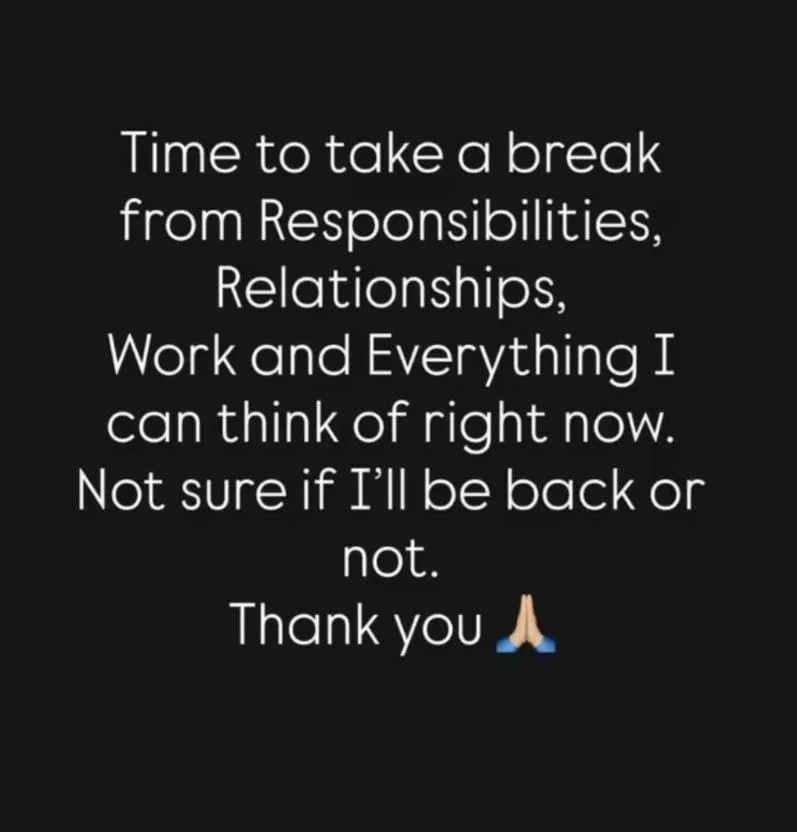
Singer Neha Kakkar shared a series of emotional Instagram Stories, later deleted, indicating she needed space from her public life. One read: “Time to take a break from responsibilities, relationships, work and everything I can think of right now. Not sure if I’ll be back or not.” She also pleaded for privacy from fans and paparazzi as she unplugged.
Source: InstagramSource: Instagram
This follows a broader pattern among public figures. Others who have previously stepped back from social media include Hrithik Roshan, who deleted and later reinstalled platforms as part of rediscovering offline life, citing how the break changed his relationship with time and presence.
These personal announcements are not just celebrity headlines, they reflect a broader cultural conversation about burnout, social pressure and online fatigue.
Not at all. While celebrity digital detoxes makes headlines, many everyday users, especially young adults are choosing to limit screen time or take hiatuses to protect mental health. Some start by setting boundaries like tech-free meals or screen-off hours before opting for longer detoxes.
Detox doesn’t need to be permanent to be effective, it often serves as a reset that helps people rethink how technology fits into their lives.
Increasingly, people, especially young adults are becoming aware of the constant toll of screen use can take:
Studies show digital detoxes can reduce stress, anxiety and feelings of depression when social media time is limited or paused.
While detoxing, reducing blue light exposure before sleeping can improve sleep quality and screen-induced cognitive fatigue.
People often notices better focus, more creativity and stronger real-life connections once they unplug.
Experts note that digital addiction isn’t just about time on screens, sadly it’s also driven by feedback loops (likes, comments, endless feeds) that can increase anxiety and reduce attention span, making traditional break periods feel refreshing and necessary.
Beyond clinical effects, cultural shifts are underway:
Many young people now recognise that excessive scrolling, especially doom scrolling can foster comparison, low self-esteem, and distraction from meaningful offline activity.
Surveys show children and teenagers are deliberately limiting their own smartphone use to protect their mental health and concentration.
For some people, a detox isn’t about rejecting or not liking technology altogether, but it’s about reclaiming control over how and when they engage with it for their own good.
Experts say digital detoxes can be working and well, if it is paired with mindful digital habits. Taking a break can reset patterns, highlight unhealthy reliance on screens and create space for real-world interaction.
But quitting isn’t always sustainable, so many people find manageable and practical tactics like gradual reduction, boundary setting like screen-free meals and tech-off hours exploring offline activities.
In essence, digital detoxes reflect a growing desire to balance online life with offline presence, not as a rejection of technology, but as an effort to make it serve health and happiness instead of dominating it.
The friendzone. The 6000 joke. The biryani story. Different comedians, different years, different stages. The same woman being told she owes a man something.
It started with a missing name. Then another. By morning, Shah Rukh Khan, Alia Bhatt and Deepika Padukone were all gone from one list that nobody knew they cared about.
KJo turned his Met Gala debut into a dramatic fashion moment with a six-foot hand-painted cape. The Manish Malhotra creation, inspired by Raja Ravi Varma, blended cinema and art.